Enter your email address:

Delivered by FeedBurner

Homeschooling The Well Prepared Child: lesson plans
Showing posts with label lesson plans. Show all posts

Wednesday, June 15, 2016

Make Your Own: Colored Craft Noodles

This post contains Affiliate Links.


Making colored noodles and rice for art projects is easy! 

For one pound of noodles in a single color, you need a gallon sized baggy, a 1 cup of Rubbing Alcohol and a about half a bottle of liquid (NOT JELL) food coloring

Hold baggy open, add alcohol, squirt in food coloring, shake baggy to mix it up, and then add your noodles. Fold baggy over before zipping (careful not to spill the liquid). Lay baggy flat on a surface that you will not mind getting colored if the baggy leaks. 

Flip baggy over every 10 minutes for an hour or until you are happy with the color. 

OVER A BOWL, clip the corner of the baggy and drain out liquid, (you can reuse liquid to color rice or more noodles). 

Pour wet, drained, colored noodles onto a plastic trash bag. I used a fan to help speed the drying process. Move the noodles around every 15 minutes to unsure the bottom noodles get enough air to dry. You will know they are done when they are dry to the touch and sound like dry noodles again. 

Mix up different types and shapes of noodles for fun art projects, or use tubed noodles to make colorful necklaces. 


Rice can be done in quart baggies, just use less liquid.


Ready for the crazy messy pics? 
(You might want to wear gloves if you don't want rainbow hands) 


WORD OF CAUTION! 
DO NOT EAT THESE NOODLES AND/OR RICE! 
They have been colored using Rubbing Alcohol and are NO LONGER EDIBLE! These are for craft purposes ONLY! 

Best noodles for necklaces are Penne Pasta and Rigatoni

Pastas great for craft projects are Farfalle, Rotini, Wagon Wheels, and even these cute little Alphabet pasta shapes. 

Colored Noodles and Rice can also be used for a variety of craft uses. How about an ISPY bottle using rainbow rice and Alphabet pasta! 

Children can also use them for sorting shapes and colors. 

Don't want the mess of making your own? I sell Rainbow Rice and Colored Pasta for only $5 a pound plus shipping. Email me at bykamay@yahoo.com


Disclosure: I am Amazon Affiliate and may receive a small compensation for including links on my blog. Buying through my links is not necessary, just appreciated. Amazon does not charge extra for linked items recommended by their affiliates. I only recommend products that I use and trust OR plan on using in the future. Please buy responsibly and do your own product research before buying anything online

Thursday, January 8, 2015

How Much Does Homeschooling cost?

This post contains No Affiliate Links

     Recently, I had a private message on our Facebook Fan Page. One of our fans asked, "Hi. I am very interested in learning about the cost involved in homeschooling. Perhaps, keep in the back of your mind, it is a topic not very well covered." I responded with, "Very true, it is not covered much because homeschooling is different for everyone. Homeschooling is virtually free for me. I have her old work books we are going through from her previous grades, I supplement with free stuff I find online. Teachers Pay Teachers is a good place to start. Even though it is a paid site, you can still find a lot of freebies. When she completes all of her work books, I have had homeschool buddies gift me their old work books. We all trade and exchange. I also keep an eye out on Facebook homeschool curriculum sell and swap groups. I do pay about $60 for Co-op classes, but they also let me barter some of my tuition through my embroidery business. A huge part of her curriculum is homesteading and gardening, survivalist skills. We journal, budget, research and read about a lot of stuff. What I buy for her to learn (mostly gardening stuff) is also factored into our household budget. Things like our dehydrator were free, the canner a gift. There is so much science and math in homesteading and gardening, that all my curriculum is from personal know how and research. We Google everything. However, not every homeschool family is like us. I have heard several times from parents that they are not comfortable with designing their own curriculum. They prefer to buy it. Buying curriculum can get very expensive. I am confident in designing my own because curriculum is my passion and I am creative. I have a degree in education and took extra classes in curriculum development. As you can see, you have sparked my creative juices, I might have to blog this...." 
     AND, I forgot to mention, when I homeschooled my teenage son, we used Discoveryk12. It is a complete curriculum that is also completely FREE. 
     BUT, like I said, homeschooling is completely different for every family. I decided to ask my online friends that are in FB homeschool groups and some of my blogging/homeschooling friends. Here is what they had to say:

"Homeschooling had always been something we considered, but we didn't do much about it until we had problems at public school. When I made the decision to homeschool, I wanted to start as quickly as possible. The curriculum choices were overwhelming, and so was the thought of homeschooling. I felt that our best option was to enroll him in K-12 so I could get help and guidance for the first year. 

     K-12 is an online public school, so it's completely free! He still has to take the state standard test, but I can teach him how he learns best. Our particular school lets us move at his own pace, so he doesn't have to attend the daily class sessions as long as he does well on his own. We did get permission from his teachers to do this. Most kids do attend daily classes online. K-12 ships all of his books, workbooks, teacher books, art supplies, and some science lab supplies to our home. They also sent a computer, printer, headphones, and microphone. I get a $10 a month reimbursement for Internet too. They also sent him a Kindle Fire this year so he can read more. I have to buy ink, computer paper, some art supplies, and very few supplies for science lab. 
I think I've spent less than $50 in supplies. 
     We really like K-12 so far, so we may stay with it for a few years. Or we may create our own curriculum next year. We will have to see what's best for him and our family." Cari @
http://www.kotibeth.com

Deana Hipwell at The Frugal Homeschooling Mom, "homeschools her 3 children classically AND eclectically. Most of her curriculum is purchased through online curriculum swaps and sales, in gently used condition. Then she resells them or donates them to others in similar forums (you can find the numerous resources she lists on her blog). She supplements the used curriculum she buys with free printables and other free resources online. In doing this, homeschooling is a fairly inexpensive endeavor for her family. The most expensive part of her children's schooling is the tuition costs for the homeschool co-op she participates in. Otherwise, she homeschools all 3 children (a 3rd grader, a preschooler, and a toddler) within a budget of under $200 per year." 

My fb homeschooling friend, Rob, said, "Honestly, I thought it would cost a lot more than it does. It's so insignificant a difference that we don't really consider homeschool financially. 
We've got 4- 2 toddlers & 2 schooling. We may do more "field trips" & need to buy supplies but it isn't a financial burden at all. We actually don't use a curriculum (aaaah!) Mostly just answer the curiosities of our kids. I think they call that Unschooling."

Tanya from Treats By Tanya reports, "Our first year homeschooling I spent 2k on curriculum and supplies for 3 boys. Then, I went frugal. Not everything in the books we're on my boys level (below and above). I homeschool for as free as possible. With 1 paycheck to support our family now, we really have to budget in field trips and extras. I have a blog that I created just to share other free resources with parents that are in the same boat. I don't count internet as an expense, because we would be paying for that even if the kids were in school. The same for food; they packed their lunch. If anything, our food bill went down because I can serve leftovers for lunch, instead of individually packed processed unhealthy food. I buy 1 case of printing paper a year and thats about it. Spring we usually restock our art center, but we did the same when they were in public school too."

Dawn, also a friend from Facebook, says, "I have 5 kids in school/on record this year. I use Easy Peasy for curriculum, so my cost there is the internet and keeping up computers, then our umbrella school costs of $300 per year. So, $350 total with incidentals because I would have computers and internet anyway. lol. The hidden costs of homeschooling are that everyone is home all day using electricity and eating up the groceries. Savings in that you don't have to have nice school clothing, shoes, coats, backpacks, mandated school supplies, and the numerous "fees" and fundraisers. Homeschooling for us is much cheaper than public school."

LaRae over at Jones Jungle says, "We homeschool 3 kids and we buy curriculum. Last year we used a hodge podge that I placed together. It was in the neighborhood of $800.00. This year we bought a complete curriculum and it was just over $1000.00. Next year I will be piecing together again and have started buying and it should come in somewhere around $800.00 again (or at least that's our budget for it). I haven't compared the added cost to our daily living because there has always been at least 2 people home all day everyday."
"We participate in a classical education homeschooling program that looks very much like a "one room schoolhouse" one day a week. Since my children are still elementary age, it is approximately $450 per student (times 3 for us), and that does not include our math and phonics curriculum, plus some of the "extras." Our results are so excellent, however, that we have a strong commitment to this style of education. We help cut costs by our active involvement in the community; my stipend is nearly enough to cover the entire cost of homeschooling to include additional curriculum! Plus, the heavy involvement makes me a better homeschooling mom the rest of the week!" Chaya @The Pantry Paratus 

Another FB Homeschool friend, Sarah, said, 'I spend around $1500 on curriculum for five kids. We do a ton of field trips! A minimum of 1/week, so with the cost of the gas/entrance, or other field trip fees we spend about $200 on those each month."


Angi from Schneider Peeps says, "We live in Texas which has very little regulation for homeschooling. We have six children and two have already graduated. The children still in our homeschool are an 11th grader, 9th grader, 7th grader and kindergartner. One of the great things about homeschooling long term is that you can reuse curriculum, so each child actually gets a little cheaper to educate. So this year I did not have to buy any math, science or history curriculum. This year for 4 students we spent $190 on curriculum for our homeschool and $120 on college textbooks for our 11th grader who is taking early admission classes at our local community college. He received a scholarship that covers all his tuition and fees. We also spent about $50 on school supplies which mainly includes the art notebooks, Prang watercolors, spirals and binders. We pay $210 a year for two of our children to take art lessons from a college student. We are part of a homeschool co-op and pay $120 a year in fees. We are also part of a drama club and pay $190 a year in fees. This year three of our children are taking a social dance class where they are learning how to two-step, swing, line dance, etc and we pay $315 for the year. Our 9th grader is taking a photography class at co-op and that is an additional $50. We spend about $400 a year on field trips. Our older daughter is in our local ballet company and I’m not including those fees or Boy Scout fees since our children would be doing those activities even if we were not homeschooling.
I’m sure I am leaving something out as there are always small expenses that I overlook. But I can confidently say that we don’t spend more than $2000 a year educating 4 children. We can definitely spend less but the arts are really important to our family and we want to encourage the creative side of our children. And that’s really thing for homeschooling families to consider, it’s not the dollar amount that we should be aiming for but what do we want to encourage and nurture in our children. For our family that means used books and sometimes even borrowed books and lots of trips to the library so that we can do some of these other things that our children are interested in." 

"This year is the first year we have homeschooled. My older two children are at a 5th grade and 3rd grade level, and after years of public schooling we decided to make some changes. My youngest is 5 this month. We will be getting some basic kindergarten curriculum for him, but I am undecided on what I will choose. I spent quite a bit of time researching the type of curriculum we wanted to have. After the time spent researching, reading reviews of many different Waldorf based curriculum packages and programs we had finally settled on Oak Meadow. It has been great for having a starting point, as a tool to guide us in a general direction. After spending roughly $900 on getting the curriculum packages for our children you would think we would be sure to use them as much as possible. However I’m not sure if we will actually move forward with this in the future. To be honest, coming into Waldorf a little later there are many gaps that we have in what has been taught in previous areas. I have also found that my kids have been much further ahead in what is being covered in the curriculum as a result of coming from public school. The rate at which material is covered has a much different pace. This has left me feeling a somewhat disappointed since I love the concepts, but nevertheless we usually end up taking most advantage of free resources.
     I have learned to take a more laid back approach to schooling, and my main goal has become to foster a passion for learning. How does that translate to cost? We have a fantastic public library in our city of Fargo, ND that we frequent often. Whatever they are passionate about we find books on at the library, which is of course free (unless you forget to return them on time). We get craft supplies at the store, but don’t usually spend more than $50 every two to three months. We meet up with other homeschool families each week. Sometimes we go somewhere that costs $2 per child to play for the day. We try to keep the costs as low as possible, but I think what I have spent the most on is the printer ink! I would say this year we probably have spent at least $1200 on costs over all." Tiffany @ Findingthestory.com

 Erica Mom Prepares "We have two boys, ages 7 and 3, so 2nd grade and Pre-K. In previous years I homeschooled for free, printing stuff I found online. This year I realized I was going to need to be more organized and have a plan so I bought Abeka books for both of them for the main subjects and I'm using some handed down stuff and things I bought on consignment at a used curriculum sale for everything else. It's going great! I love the mix of curriculum and that I only spent about $100 total this year.
Fun side note: My husband and I were both homeschooled from Pre-K through graduation. My husband even did college on his own via online courses!"


So as you can see, "How much does homeschooling cost?" is not an easy answer. Every homeschooling family is different, even if they are the same. If you are planning to homeschool, just figure out what is right for you. Do your research, ask questions, join a co-op, find groups local and online, find your niche. 

You can find my blog page with lot's of free homeschooling sites HERE. And, don't forget our Free Lessons and Our Homeschool Classroom(s)


Monday, July 7, 2014

Our Favorite FREE sites for Lessons and Learning

This post does not contain any Affiliate Links.


Here is a list of sites I get a lot of my ideas from, or at least the technical aspect from. :) I will add to and update from time to time so keep checking back or bookmark this page. 


The Science of Gardening:

Science Net Links

E How

Nutrients For Life. Org

Can Teach


Free Lesson Plans and Ideas, General:

Learning Treasures

MPM Ideas

Teachers Pay Teachers (Just put 'FREE' in the search bar)

Education.com

NeoK12 (Is not longer free but still has a lot of great FREE videos to go along with your themes.)

Enchanted Learning

BrainPop and BrainPopJr have lots of free stuff to watch and do, but are also a paid site. 


Free Learning game sites. Who doesn't love to learn with out knowing? 

ABCYa

Arcademics.com

Animal Jam (National Geographic)


I am in no way affiliated with or paid by any of these websites or pages. They are just a round up of my 'go to' sources for activities and work sheets! Enjoy!


Sunday, July 6, 2014

Parts Of A Plant: Seeds

This post contains Affiliate Links.

Parts of a Plant Lesson: Seeds


     We started with Nutrientsforlife.org's Video, Lesson 1: Plants Around You. See the video HERE.

  •    After watching the video, we went on a nature walk to gather seeds from plants around us. We were actually surprised at all the seeds we found. It was actually closer to winter time than fall. I just had her get a little from each plant we found.  


  • When we got home, she set all of the seeds together in a pile. I asked her if she could separate all the seeds into 2 piles. She separated them by round seeds and flat seeds. I asked her if she could separate them into 3 piles, and she decided it should be by size. 
  • Next activity was separating them back with their own seeds in a muffin tin. Some resembled each other so much, she got out her magnifying glass to tell them apart. 
  • I found a neat 'Seed Graph' for her to organize the data she collected on which plant did she gather the most seeds from. you can find it HERE (mpm school supplies actually has a lot of cool ideas and links to more cool ideas) She glued the different seeds to the bottom of the graph and then counted them up and filled in the correct number on the graph. The graph went into her Gardening Portfolio

  • She really liked checking out the seeds under the magnifying glass. From my seed stash, I got out lettuce seeds and let her make her own observations. She recorded her findings in her Science Notebook. Don't have a magnifying glass? I found ours at our local Dollar General in the school/stationary section. but you can also find one on Amazon HERE
  • While checking out a Time Lapse Video of a Seed Growing, my daughter said it would be cool to plant our own seed and watch it grow in normal time. Great Idea! I found an old square aquarium and we filled it with our seed starter mix. Then she placed 4 English Pea seeds against the the side of the aquarium. We watered it and watched the seeds grow. She recorded what she witnessed in her Science journal as well. 
  • It was not as easy to see as the video, but we enjoyed it just the same. you can use a variety of seeds for this experiment. Pinto beans and pumpkin seeds work great too! You can also use a small jar filled with moist paper towels with the seed up against the glass. 
  • The next activity we did involved fermenting pinto beans. We placed a few dried pinto beans into a shallow bowl of water and let it sit a few days, adding water as needed. I asked my daughter to predict what she thought was going to happen, she recorded this in her science journal. After the pinto showed signs of growth, we dissected them. She drew out what she found and labeled the parts of the bean. We did not get any photos of this lesson, but I borrowed a couple from a homeschooling friend of mine that inspired this lesson for us. Her children are a little older so they have labeled a lot more than we did, with more scientific terms. Just another example how you can use one lesson for many different levels of children. Thank you Mary and the Butler Children for allowing us to use your amazing photos. 

  •  If those words are too advanced for your kiddo, there is a simpler worksheet HERE
There are more activities and worksheets at 
Nutrients For Life

We hope you enjoyed Parts of a Plant: Seeds lessons. Other pages in the series, can be found here:


Disclosure: I am Amazon Affiliate and may receive a small compensation for including links on my blog. Buying through my links is not necessary, just appreciated. Amazon does not charge extra for linked items recommended by their affiliates.  I only recommend products that I use and trust OR plan on using in the future. Please buy responsibly and do your own product research before buying anything online. 

Saturday, June 28, 2014

FREE Book Friday from Treats by Tanya

 This post does not contain Affiliate Links.

    Do you love free stuff? Of course you do! We all do! How about some free 'How To' books. As a amateur prepper, I am constantly trying to cram all the 'How To' in my brain and then trying things out here and there. It's exhausting! I would love to buy a bunch of books and manuals and guides and cook books.. But as a family that tries to live within their means, we do not have that kind of money! So free, is awesome! And when I found out my notebook had a Kindle Cloud Reader App, I was ecstatic! I don't have a lot of time to look for free books, I've picked up a free one here, another there. I had a couple books but did not really get into it until yesterday. 
     
     One of my favorite blogs is Treats By Tanya and I visit it often because she has a lot of great free resources for homeschooling. One day, she posted about her 'Free Book Friday' and I decided to go find out what that was all about. I think it is one of the only posts I have never read and I can't believe I have not looked at the page before now! Tanya makes it easy by finding the free books and posting them for you! Various books grace the page including books on backyard chickens, prepping, homesteading, lessons for boosting reading fluency, and chapter books for kids! 
     
    Head on over to Treats By Tanya and get your FREE books before they are no longer FREE! I love that word! FREEEEEEEEE! 

Disclosure: I was not paid or compensated by Treats by Tanya. I just enjoy her blog and especially her Free Book Fridays. However, I am Amazon Affiliate and may receive a small compensation for including links on my blog. Buying through my links is not necessary, just appreciated. Amazon does not charge extra for linked items recommended by their affiliates.  I only recommend products that I use and trust OR plan on using in the future. Please buy responsibly and do your own product research before buying anything online. 

Tuesday, June 24, 2014

Portfolios and Journals

  
This post contains Affiliate Links

        I have received a lot of messages asking to hear more about my daughter's portfolio and journal for science. She has a journal and folder for every subject, but, these two are our favorites. Everything plant related we have studied goes into them, although, her science spiral is for everything science related. Let us take a look inside!


 She was very proud of her cover artwork.


Diagram from www.uic.edu
We talked about the parts of a tomato plant and them drew her own plant on a separate piece of paper. Then she labeled them with help of the first photo. Both papers went in to her Plant Portfolio.


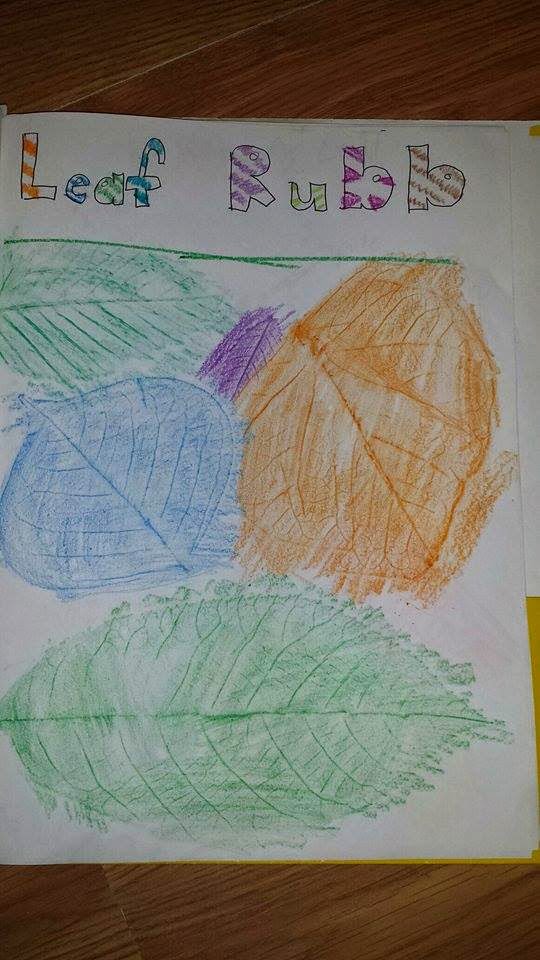
After a nature walk, she came in and made leaf rubbings to study the different types of veins each leaf had. 

She chose the leaf she liked best, made a leaf rubbing of it, and then labeled the parts of the leaves.

When we planted our tomato plants, she measured then every other day and then wrote her findings on the Excel paper she created. 


     Also in her portfolio are the different work sheets and printable information she learned about.
Information on plants from 'Instructor Web'
A Quiz from NeoK12 she printed out. 
    
   Inside of her 'Science Notebook' are journaling questions, written notes from books we read from the library that she did not want to forget, recorded observations and drawings. For example, when we were doing our 'Winter Tomato' experiment. Not only did she put her measurements in the Excel table, she also drew and wrote about the progress and growth of the plant. 


Water Filtration Project


 Learning about Container Gardens


How to Grow a Garden

   Portfolios and Notebooks are not just for science. They are great when you are working on a 'Theme" study unit and are pulling from various sources. Math, literature, reading, and geography can also have their own spiral notebook and folder.

At the beginning of the school season, our local Big Box Store has these and other supplies for super cheap! Stock up!


Disclosure: I am Amazon Affiliate and may receive a small compensation for including links on my blog. Buying through my links is not necessary, just appreciated. Amazon does not charge extra for linked items recommended by their affiliates.  I only recommend products that I use and trust OR plan on using in the future. Please buy responsibly and do your own product research before buying anything online. 

Sunday, June 22, 2014

Parts Of A Plant- The Stem

This post contains Affiliate Links.

    If you are going to garden, you need to know about the parts of a plant and their functions. This lesson is on the function of plant stems. 


Celery Stalk Experiment

What you will need:

  • 1 stalk of celery, cut diagonally at the bottom
  • 1 Tall cup filled half full of water
  • Food coloring of your choice (I asked her to choose what color she thought would show up the best against the green of the plant. She chose red)
  • Peanut Butter (for a snack later, this is optional :) )


Step 1: Choose your piece of celery for your experiment. Cut diagonally along the bottom. Please supervise your child closely if they are cutting it themselves. 


Step 2: Add enough food coloring into your cup to turn the water a nice dark color. Put the stalk inside the cup, cut side down and the leaf side up.

Step 3:   Allow your celery to sit a while to give the stalk time to soak in and pull the colored water through it's veins. We let ours sit for 2 days to get the maximum absorption. Can you see the red veins in the celery?  
Step 5: Allow your child to dissect their celery stalks and make their own inferences. It is not so appetizing at this point. She really enjoyed taking it apart though, and she was able to see what parts were the veins and how they traveled. 
Step 5: Have a snack! My daughter decided she did not like celery and peanut butter. She got out the ranch dressing and ate hers with it. I, on the other hand, almost took down half a jar of peanut butter with my celery! OOOPS! (If you or someone you are doing this lesson with are allergic to peanut butter, try some cream cheese on it! Do not eat peanut butter if you have a peanut allergy.)
     Now I suppose you are wondering how to make this lesson less preschool/lower grade and more of a higher level of thinking lesson. It's easy! The 'veins' in the celery actually have really cool names and their own functions. Xylem and phloem are the vascular tissues found in celery and other plants that work just like veins do in our bodies. Also in the function of transporting water and nutrients throughout the plant are more scientific terms like: Translocation, Adhesion, Cohesion, Transpiration and Stomata. Now the best way I have found to get children to really understand these terms and functions is to have them look them up themselves. 

Other brainstorming activities: 
  • Find other plants you can do this same experiment on like roses and carnations. If you use a white flower, you can change the colors of the petals. 
  • Start a 'Scrap Garden' from the end of your celery plant. 
    • Draw the end of the celery and label the parts of the stem. 
    • If your child does not have one already, start a spiral notebook to be their "Scientific Discoveries" journal. We use ours a lot to journal the progress of our plants and science experiments. It is also a place for her to reflect upon the activities we have done. 

    • We also have portfolios that we put our loose papers and work sheets in. She also puts in any good info she finds and prints from the web. My daughter makes her own graphs and charts on MS Excel to go with our lessons. Those graphs go in here after she fills them out during our experiments. Want to know more about using portfolios and notebooks? Click HERE.

    • Go to the library and check out books about gardening with kids and parts of a plant. 
    • Youtube has a lot of great videos on the subject as well. 

    Check out our other 'Parts of a Plant' lessons in this series! 
    Parts Of A Plant: Seeds
    Parts Of A Plant: Tendrils


    (And if I can figure out how to get the worksheets we created to change formats for the different computer, we will post those too! :)


    In the meantime, here are some websites that have great information on this topic! (These are NOT affiliate links)


    Disclosure: I am Amazon Affiliate and may receive a small compensation for including links on my blog. Buying through my links is not necessary, just appreciated. Amazon does not charge extra for linked items recommended by their affiliates.  I only recommend products that I use and trust OR plan on using in the future. Please buy responsibly and do your own product research before buying anything online.